📖 Editorial Notes & Master Artisan Journal
When investing in luxury leather goods, the tanning method defines everything: the tactile aroma, how the leather ages, and its environmental footprint. Here is what every leather connoisseur must understand.
What is Vegetable Tanning?
Vegetable tanning is an ancient craft dating back thousands of years. Natural tree barks—such as chestnut, quebracho, and mimosa—are steeped in open vats over months. The result is a dense, organic leather that smells rich and earthy.
The Magic of Natural Patina
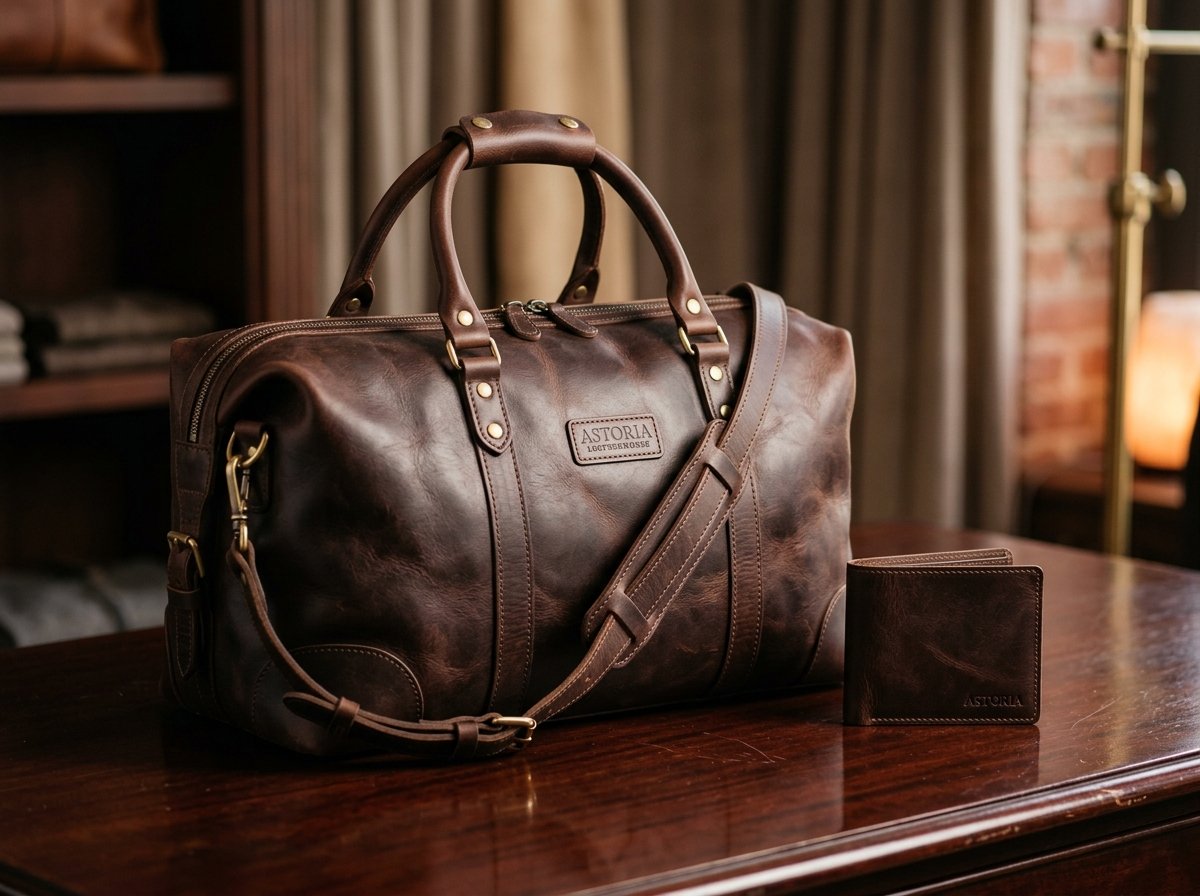
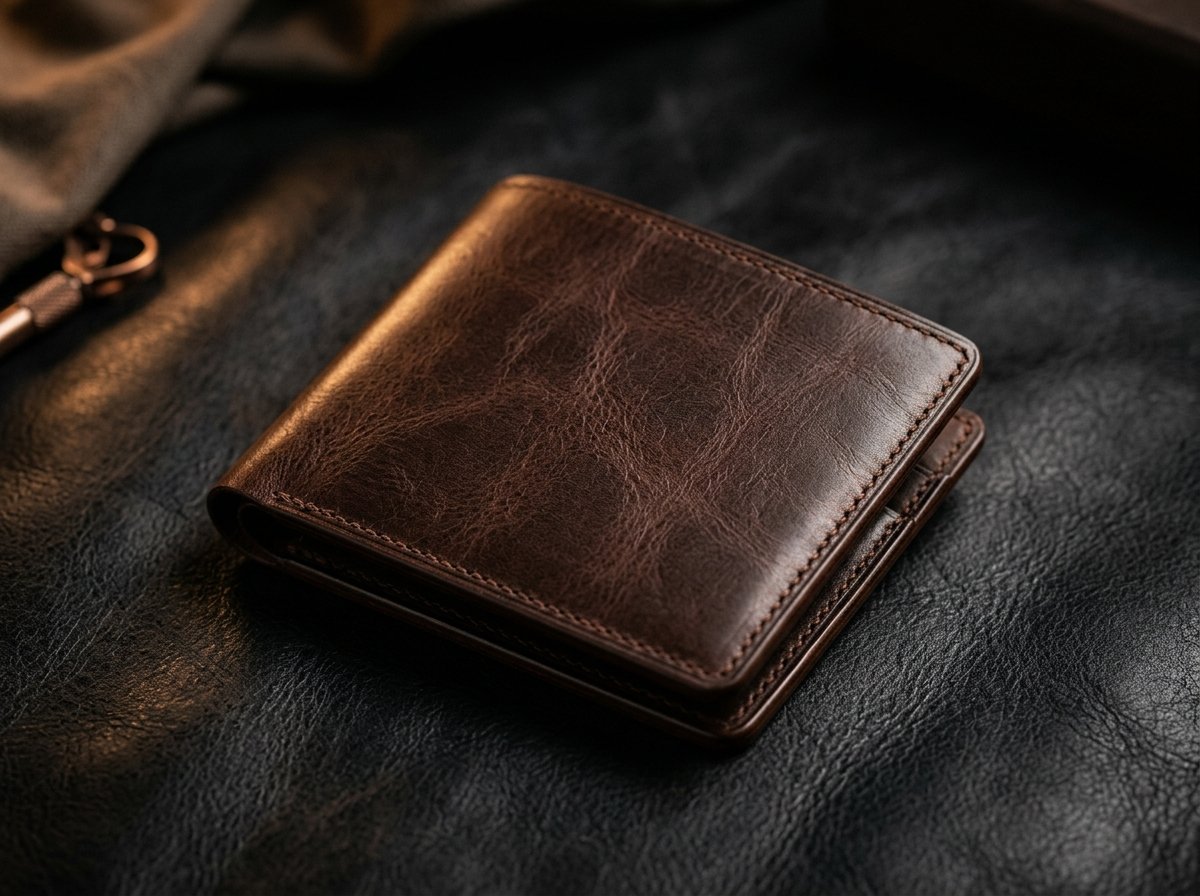
Unlike synthetic or chrome leathers that look their best on day one and deteriorate, vegetable-tanned leather absorbs the oils of your hands, exposure to sunlight, and daily adventures, developing a deep, golden caramel patina uniquely yours.
The Zenvy Quality Promise & Craft Ethos
Every handcrafted leather wallet, cardholder, travel folio, and bespoke bag highlighted in our journal is made using Grade-A full-grain cowhide and natural vegetable-tanned leathers. We ship worldwide with doorstep express courier delivery.